October 13, 2026 · Becoming
The Art of Storytelling (pt 2)
Every ask, every interview and every introduction is a story. Most of us tell ours badly, and that is a fixable thing.
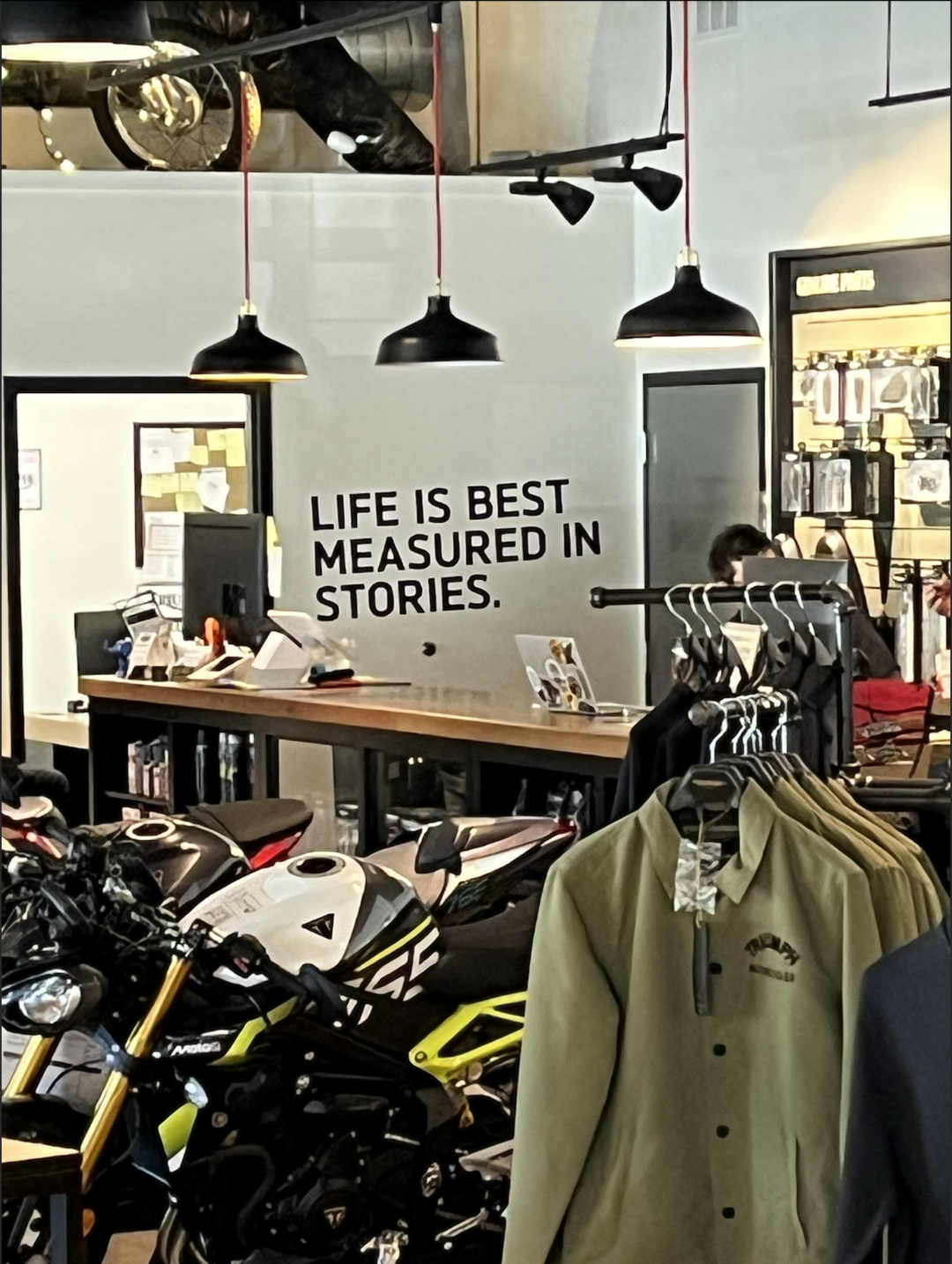
You already tell stories all day. What you did at the weekend. Why you left your last job. What you are working on. The question is not whether you are a storyteller. It is whether you are any good at it, and whether you have noticed how much depends on it.
A story is a shape, not a performance
People hear the word and picture a stage. Forget the stage. A story is a shape: someone wanted something, something stood in the way, and something changed. That shape fits an answer in an interview, a pitch to a client, a note asking for an introduction, and the line you say when someone asks what you do.
Most of us skip the middle. We say what we wanted and what we have now and leave out the part where it was hard. The middle is where the listener leans in, because the middle is the only part they can recognise from their own life.
Tell the true one
The temptation is to tell the story that makes you look finished. Nobody believes those, and nobody remembers them. The story worth telling is the one with a decision in it: the moment you did not know, and chose anyway. That is the part that makes a stranger trust you.
Shorter than you think
A good story about yourself is three or four sentences. Where you were. What got in the way. What you did. What is different now. If it takes longer, you are explaining rather than telling, and explaining is what people do when they are afraid of being judged.
A practice for this week
Pick the story you are asked for most often, the one about why you do what you do, and write it in four sentences. Say it out loud to someone who will tell you the truth. Then cut a sentence.